Tuesday, 5 April 2011

“南洋珍珠~金唇蚌”得天獨厚的環保產物 South Sea Pearls – The Golden-Lipped Oyster Is A Unique Environmental Friendly Produce


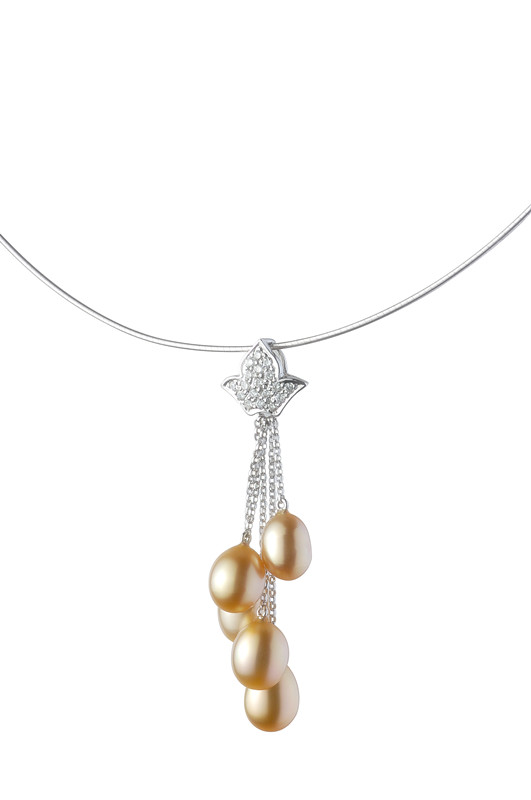
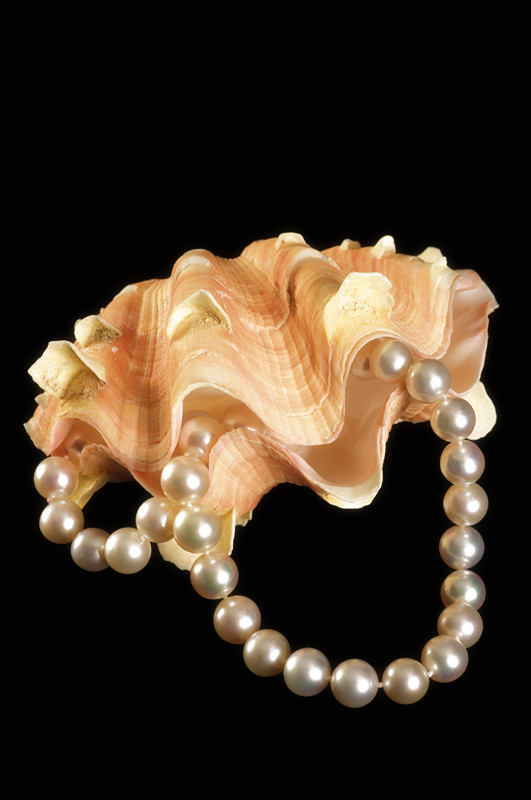
u  金唇蚌/珍珠 ~ 高級南洋珍珠飾品。
u  金唇蚌/蚌殼 ~ 高級手錶表面和飾物。
u  金唇蚌/蚌肉 ~ 美味可口的海鮮食品。

·         Pearls produced by the golden-lipped  oysters are prized and sophisticated ornaments.
·         Mother of pearls can be made into watches surfaces and other decorating items.
·         Oyster meat is a delicious delicacy.

色澤和瑕疵度的等級 Luster and Surface Flawlessness Grading

Akoya珍珠8mm~10mm之間價格差異最大,而南洋珍珠則在12~18mm之間的價格躍升最大。而Edward Kong South Sea Pearl生產的南洋珍珠大小,直徑大都在10~18mm,色澤分三個主要等級 ~ 金色,香檳色(金黃色),白色;

u   瑕疵度分級:
(a)     A1級(瑕疵點1點以內,瑕疵不超過5%)
(b)         A2級(瑕疵不超過10%)
(c)          A3級(瑕疵不超過20%)
(d)     B1級(瑕疵不超過30%面積)
(e)     B2級(瑕疵不超過40%面積)
(f)      B3級(瑕疵或超過50%面積)
(g)     C級(其餘)。

Price difference for Akoya pearls between sizes ranged from 8 to 10mm is the biggest. Whereas for South Sea pearls, the biggest price jump is for pearls sized from 12 to 18mm. South Sea pearls produced Edward Kong South Sea Pearl mainly sized from 10 to 18mm with 3 major colour overtones – gold, champagne and white.

u    Flawlessness Grading:
(a)          A1 Grade - Surface flaw does not exceed 5% of the total surface area of a pearl.
(b)         A2 Grade – Surface flaw does not exceed 10% of the total surface area of a pearl.
(c)          A3 Grade – Surface flaw does not exceed 20% of the total surface area of a pearl.
(d)         B1 Grade – Surface flaw does not exceed 30% of the total surface area of a pearl.
(e)          B2 Grade – Surface flaw does not exceed 40% of the total surface area of a pearl.
(f)          B3 Grade – Surface flaw does not exceed 50% of the total surface area of a pearl.
(g)         C Grade – Surface flaw exceeds 50Y% of the total surface area of a pearl.

決定珍珠價位的六大因素 The Six Determining Factors for Pearls Pricing

²影響珍珠價位的六大因素包括:
(a). 大小 ~(mm)測量尺寸以珠的腰圍(直徑)大小為準,愈大價位愈高。
(b). 形狀 ~ 分為六大類型: 圓形Round、近圓形(Near Round) oval、鈕扣型Button、水滴形Drop、變型(畸形)珠Baroque、有腰帶Circle。
(c). 顏色 ~ 南洋珠有白、香檳、銀、金色等,淡水珠大都是白色(但沒有金珠與黑珠),
大都沒有光澤及光滑表面,因此許多淡水珠都需做打磨刨光及染色加工處理。
(d). 光澤 ~(表面皮光)是決定價位最主要因素。
(e). 瑕疵度 ~ 瑕疵點分布面積越小,價位較高,當然沒有瑕疵的全美珠為最高價。
(f). 厚度~(mm)珍珠層的厚度是越厚越好,Akoyo 珍珠則為0.15mm~3.5mm,而大溪地當局嚴格限制珍珠層厚度達0.8mm以上才能出口,而南洋珍珠厚度則為2mm~2.5mm。

(a) Size – Measured in millimeters, the bigger a pearl’s diameter, the higher the price.
(b) Shape – Classified in 6 groups: Round, Oval, Button, Drop, Baroque and Circle.
(c) Colour – The overtone colour of South Sea pearls consists of white, champagne, silver
and golden etc. Fresh water pearls are mainly white colour (never in gold or black) and mainly lack luster and smooth surface. Therefore, most fresh water pearls go through treatment processes such polishing and colouring.
(d) Luster – This is the chief determining factor in pricing pearls.
(e) Flawlessness – The lesser the flaw, the higher the price. A flawless pearl command the highest price.
(f) Nacre thickness – Measured in millimeters, the thicker the nacre the better. Akoya pearls nacre thickness ranges from 0.15 to 3.5mm. Tahitian authority imposes strict regulations which only allow pearls with at least 0.8mm nacre thickness for exportation. South Sea pearls nacre thickness ranges from 2 and above.

珍珠的分類 Classification of Pearls


南洋珍珠(South Sea Pearl)
產地澳洲西北、馬來西亞、印尼、菲律賓沿海,而馬來西亞Edward Kong South Sea Pearl在斗湖的珍珠島,是馬來西亞唯一的南洋珍珠養殖場,所用的珍珠母蚌為金唇蚌(學名Pinctada Maxima,俗稱Gold Lip),生產的珍珠大小約(直徑)10~18mm,多以金珠和香檳金及白色為主,其中以生產的金珠最為知名和昂貴。

大溪地黑珍珠(Tahitian Pearl)
因為黑珍珠99%產自大溪地海域,母貝為黑唇蚌(貝)。

日本養珠(Akoya Pearl)
主要產區為日本海域(因其母蚌屬較小品種,故只可養殖3.5~10mm),但Akoya沒有生產金
珠。

淡水養殖珠 (Fresh water Pearl)
主要生產在中國地區如海南島或北海及各湖泊區,淡水珠每個母蚌一次可植入20~40枚的珠
核,並只要6個月即可培養9~12mm的淡水珍珠;而南洋珍珠和日本養珠每顆母蚌只可以植入
1枚珠核,而南洋珠需要4年才能培養出一顆,因此淡水珠的成本較南洋珠低廉許多, 南洋珍
珠層厚度達到2mm以上,是淡水珍珠層厚度的100倍以上,目前每顆南洋珍珠市價大約是淡水
珠的300倍。

(a)  South Sea pearls are cultured in North West Australia, Malaysia, Indonesia and Philippines. Edward Kong South Sea Pearl’s pearl islands which are situated closed to Tawau are the only South Sea pearl farms in Malaysia. Pinctada Maxima, colloquially known as the golden-lipped oyster, is the type of oyster raised in these farms which produces pearls sized from 10 to 18mm with overtone colour in gold, champagne and white. Gold pearls produced in these islands is the most well known and expensive in the world.

(b)  Tahitian pearls are black pearls produced by black-lipped oyster called Pinctada Margaritifera in and around in Tahiti’s waters and the French Polynesian islands.

(c)  Akoya pearls’s main cultivating area is in Japanese water. Akoya oysters are the smallest pearl-producing oyster used in pearl culture today, therefore Akoya pearls tend to be small ranging in size from 3.5 to 10mm. Akoya oysters do not produce gold coloured pearls.

(d)  Fresh water pearls’ main cultivating area is in China in areas such as Hainan Island, the North Sea or various lakes in mainland China. Fresh water oysters can be nucleated with 20-40 nucleus and take only 6 months to produce pearl in the size from 9-12mm. South Sea pearls’ and Japanese cultured pearls’ oysters can only be nucleated with 1 nucleus at a time whereby each South Sea pearl take up to 4 years to be produced. That is the reason why fresh water pearls’ prices are a lot cheaper than South Sea pearls. Besides, South Sea pearls’ nacre thickness is at least 2mm and above, which is a 100 times thicker than fresh water pearls. Currently, the market value of South Sea pearls is 300 times over that of fresh water pearls.
Sunday, 3 April 2011

Edward Kong South Sea Pearl南洋珍珠的養殖方式 Edward Kong South Sea Pearl’s Cultivating Methods


培育幼蚌(6個月)→成蚌(18個月)→打開母蚌(植入珠核)→母蚌恢復期(45天) →
→珍珠母蚌放入海域 (每2個月清洗一次)→養成母蚌(2年以上) →總計4年以上
全世界70多種大型蚌(貝)類中,有4種蚌(貝)類可以用來養殖珍珠,南洋珠養殖海域溫度較高,金唇母蚌(貝)分泌速度較快,因此南洋珠的珍珠層至少在2mm以上,而Akoya珍珠僅在0.25~0.35mm而已,因母貝種類不同會產生不同顏色的珍珠,而南洋珍珠自母蚌(貝)取出後不須經過人工處理,即可顯出漂亮天然的珠光。

Baby oysters are nurtured for 6 months → Oyster matured at 18 months old → oysters are nucleated by pry-opened the oyster mouth → Nucleated oysters take up to 45 days to recover → oysters are placed into opened sea with its shells consistently cleaned every 2 months → Take another 2 years to grow before harvesting → Total farming period of 4 years.

There are about 70 different types of oysters found in the world but only 4 types of oysters which are used for pearl farming for commercial purposes. The main reasons why South Sea pearls can grow up to such large sizes, dwarfing many other saltwater pearl counterparts, are the large size of the Pintada Maxima oyster; the length of time pearls are left to grow in the oysters; and the oysters’ living environment. The gonad of the Pinctada Maxima oysters is several times larger than that of, say, the Akoya oyster. Due to this larger gonad, the South Sea oyster can deposit nacre at a much quicker rate, especially in warm waters which speed the oyster’s metabolism rate. That made South Sea pearls naturally have nacre layer thickness of at least 2mm and above whereas, for example Akoya pearls have nacres thickness of only 0.25 to 0.35mm. Different oysters produce different colour pearls. South Sea pearls naturally possess pearl luster without the need for pearl treatments, a process where cultured pearls are routinely bleached and polished before sale thereby enhancing the aesthetic qualities of imperfect pearls.